Huatai Drilling’s Strategic Expansion in Africa through Deep Market Research and Localized Service Excellence
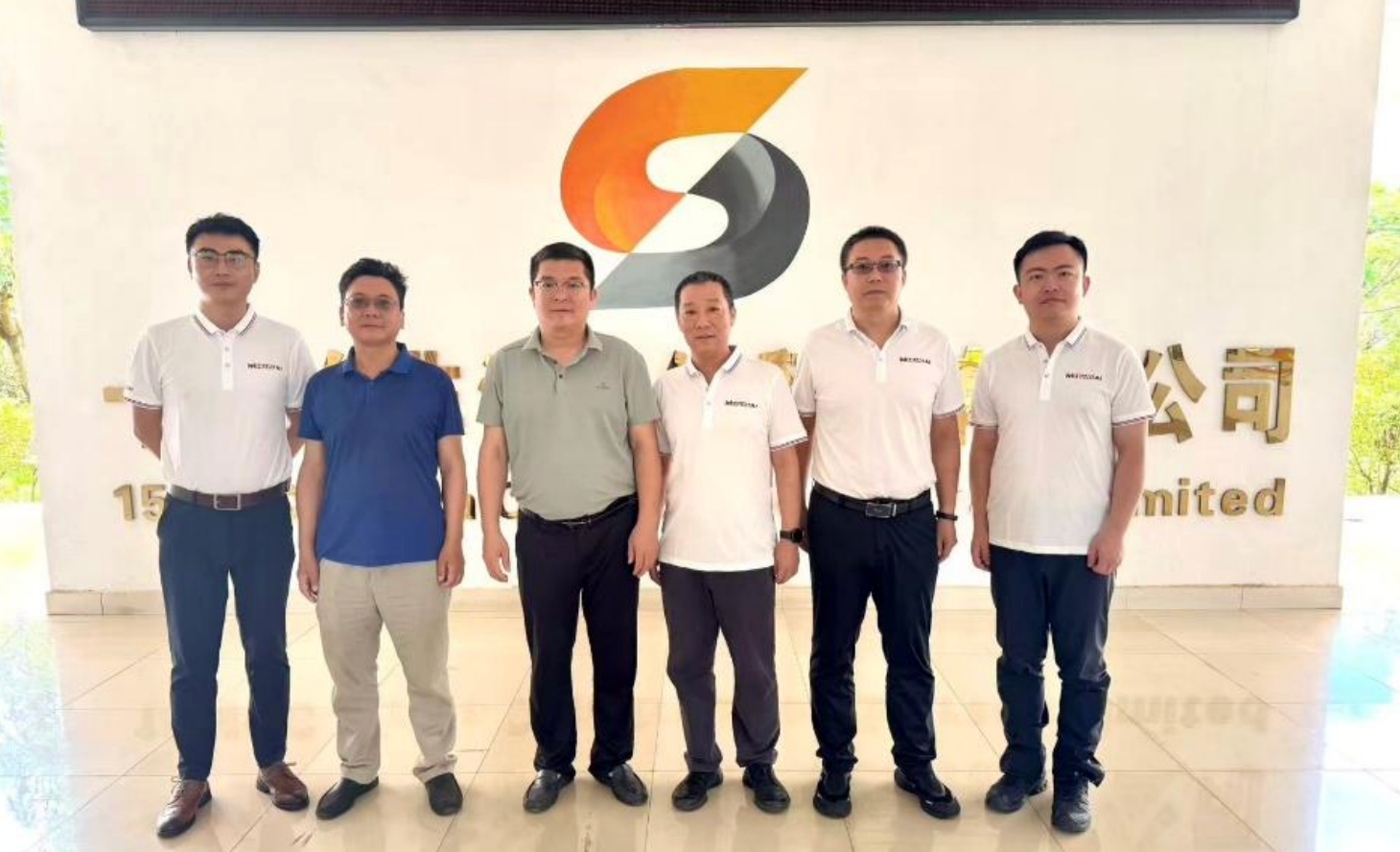
Project Background With the global copper industry’s recovery, Zambia—Africa’s second-largest copper producer—has seen a continuous surge in demand for mining equipment. While Huatai Drilling has established a foundational customer base in the region, it faces intense competition from international giants such as Epiroc and Sandvik, who possess well-established after-sales networks. To consolidate its market position and capture new growth opportunities, Huatai Drilling’s Overseas Business Department conducted an extensive field study in Zambia to develop a precision-driven localization strategy.
1. The Challenge
During its expansion into the Zambian market, Huatai Drilling identified several core pain points:
-
Service Latency: The existing model relied heavily on support from China. Compared to competitors with mature local networks, Huatai faced gaps in spare parts supply and technical response speed.
-
Information Asymmetry: A lack of first-hand data regarding local industrial zone policies, labor environments, legal regulations, and potential operational risks.
-
Evolving Customer Needs: Customers are shifting from simple equipment procurement to demanding full-lifecycle maintenance and operations services (including major overhauls, dedicated parts warehouses, and on-site mining support).
2. Action & Solution
Accompanied and supported by their partner Bazoka, the delegation implemented a three-pronged action plan: "Customer Visits + Industrial Zone Research + Talent Benchmarking."
A. In-depth Voice of Customer (VoC) Research The team visited the front lines of several mines to gather authentic feedback from four types of key clients:
-
Strategic Partners: Visited 15th MCC (Zambia). While the client highly praised Huatai’s domestic support, they strongly recommended establishing local service points to support their engineering projects in Chambishi and Luanshya.
-
Mining Contractors: Visited Mancala, an Australian contractor serving the Konkola Copper Mines (KCM). The discussion focused on accelerating parts logistics and adopting after-sales models that benchmark against top-tier global brands.
-
Localized Enterprises: Met with Tyre Technocrats, an Indian-owned firm operating multiple Huatai rigs. Both parties explored new after-sales pricing structures and the possibility of comprehensive maintenance service packages.
-
New Mining Projects: Inspected the CNMC Luanshya new mine project to understand its dewatering progress and specific underground equipment requirements for upcoming extraction phases.
B. Infrastructure and Policy Feasibility Analysis
-
Zone Inspection: Conducted a deep dive into the Zambia-China Economic & Trade Cooperation Zone (ZCCZ). The team inspected warehouses and overhaul workshops of resident companies like Sunwoda (Yantai Xingye) to understand rental rates for standard factories and bonded zone policies.
-
Compliance Consulting: Obtained detailed guidance on registering local branches, Overseas Direct Investment (ODI) filing processes, bank account opening, and tax registration to ensure a clear path for legal compliance.
C. Local Talent Acquisition The team conducted interviews for Business Development (BD) roles in the capital, Lusaka, aiming to integrate local talent to reduce market development costs and enhance cross-cultural communication efficiency.
3. Key Findings
Following the 12-day intensive research mission, the team reached several critical conclusions:
-
Proven Product Competitiveness: Feedback confirms that Huatai’s equipment is reliable and offers a significantly higher price-to-performance ratio than international tier-1 brands, providing the "hard power" needed to expand market share.
-
Proximity is Paramount: All interviewed clients emphasized that a local parts warehouse and a dedicated after-sales team are "deal-breakers" for future procurement. There is a high demand for "turnkey" integrated service solutions.
-
Regional Hub Potential: With Zambia as a central hub, Huatai can leverage the country’s logistics network to effectively reach neighboring markets like the Democratic Republic of the Congo (DRC) and Zimbabwe.
-
Balanced Risk and Opportunity: While the market potential is vast, the company must remain vigilant regarding Kwacha exchange rate fluctuations, policy stability, and security concerns (theft risks).
4. Future Outlook & Strategic Roadmap
Based on this Case Study, Huatai Drilling has outlined the following follow-up actions:
-
Establishing Physical Operations: Plans are underway to set up a branch office or service outlet near the ZCCZ or major mining areas to achieve localized spare parts inventory.
-
Service Model Transformation: Transitioning from "Equipment Sales" to "Equipment + Service" by exploring a localized service pricing system tailored to the Zambian market.
-
Compliance and Risk Management: Initiating domestic ODI filings and local company registration while establishing robust security and financial risk control mechanisms.